
Strengthening the resilience of mountain regions to climate change
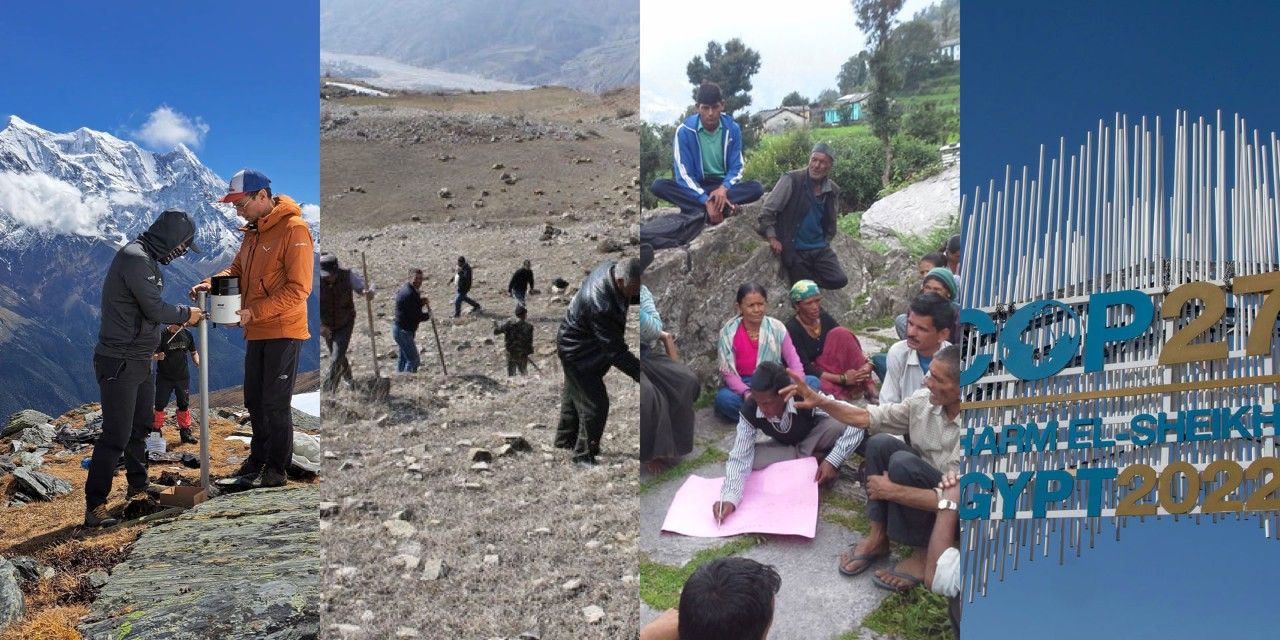
One in eight people worldwide reside in mountainous areas. These regions supply fresh water to half the global population. They are home to numerous plant and animal species found nowhere else. However, these delicate ecosystems face severe threats from climate change. The SDC-funded ‹Adaptation@Altitude› project supports four mountain regions by analysing scientific climate change data, developing and replicating locally tailored adaptation strategies, and ensuring that the specific needs of mountain regions are considered in political decision-making processes.
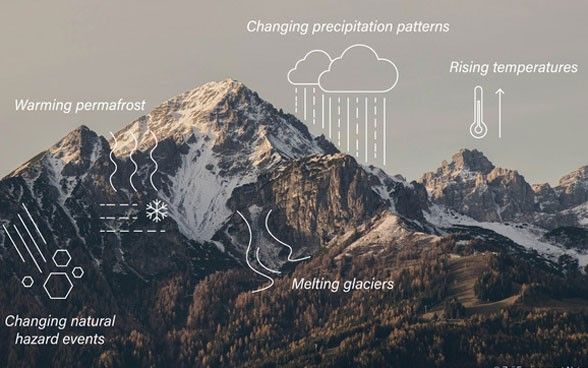
Switzerland is all too familiar with this issue: thawing permafrost and melting glaciers. Consequently, natural hazards such as flash floods and mudslides, like the 2017 event in Bondo, Graubünden, are increasing. Although mountain communities are disproportionately impacted by climate change, their needs are often overlooked in strategies and funding mechanisms. Key reasons are the lack of data on the precise impact of climate change on mountain ecosystems and the under-representation of mountain communities' voices in decision-making processes.
As an Alpine nation with an outstanding research environment, Switzerland is well positioned to assist other mountain regions in adapting to climate change. Moreover, as many of its priority countries for international cooperation (IC) are located in mountainous regions, Switzerland has a unique understanding of their specific needs and challenges.
Four regions, one goal
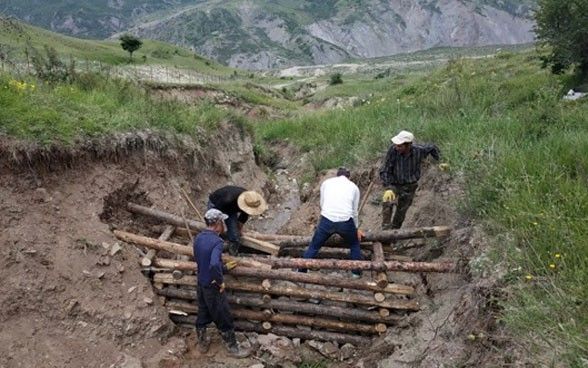
In 2019, the SDC initiated the supraregional ‹Adaptation@Altitude› project, bringing together numerous global, regional and local implementation and research partners. Across four mountainous regions – East Africa, the Andes, the South Caucasus and the Hindu Kush–Himalayas – it supports efforts to develop systemic approaches to enhance the resilience of populations and environments to the adverse effects of climate change. Through more sustainable natural resource utilisation and preventative disaster risk reduction measures, these regions should be able to better mitigate climate change impacts.
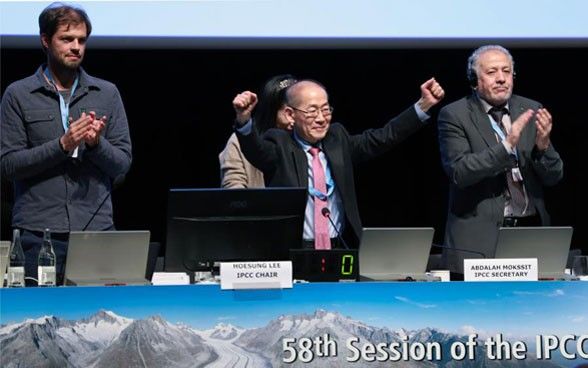
Experience from other climate initiatives demonstrates that regional adaptation strategies are particularly effective because communities within a region face similar challenges and often share cross-border resources like water or pasturelands. At the same time, an exchange of knowledge between the different mountain regions makes it possible to discuss difficulties and models for success, to learn from each other, and to speak with one voice in international processes. The expertise of Swiss universities and the prioritised use of digital technologies – a key focus of the IC Strategy 2021–24 – make crucial contributions to accurately measuring and scientifically analysing climate change. To tackle these varied entry points and spheres of action, the project consists of four complementary components.
Future priorities of the project
An external evaluation in 1 2023 confirmed the coherent interplay of ‹Adaptation@Altitude's› four components. There are effective and internationally visible initiatives to strengthen the resilience of mountain regions against climate change. A pivotal factor contributing to the project's success is the broad-based support at local, regional and international levels. Given its ever-increasing relevance amid accelerating climate change, the project will continue under the new IC Strategy 2025–28. The second phase (2024–27) will prioritise the following areas:
- Consolidation of established knowledge-sharing mechanisms, such as the ‹communities of practice›.
- Scientific assessment of adaptation strategies' effectiveness and analysis of approaches for their systematic, long-term implementation in practice.
- Pursuit of long-term financing solutions (context-dependent, via regional entities, international organisations, or climate funds) to ensure the project's financial sustainability beyond the SDC's support.
Video «Adaptation at Altitude - Taking Action in the Mountains» (Zoï Environment Network, 2024)
Links
Documents
Contact
Eichenweg 5
3003 Bern